Cindervale: The Human Touch in Modern Typography
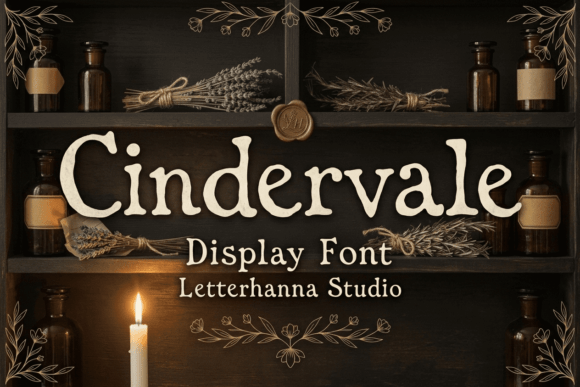
Some fonts feel like they were born yesterday. Cindervale feels like it was born from a quiet obsession with imperfection. As a type designer, I kept returning to the same question: why do the oldest printed books feel more alive than anything made today? The answer, I realized, wasn't age — it was evidence. Evidence of a human hand. Evidence of pressure, of ink, of a tool dragged across a surface by someone who cared. Cindervale is my attempt to capture that feeling.
The name itself tells a story. It comes from two worlds colliding — cinder, the remnant of something burned, and vale, a valley sheltered between hills. Together they describe exactly what this font feels like: something that survived, settled, and grew quieter and stronger for it. There's warmth in the ash. There's shelter in the low places. This isn't just a typeface; it's a design philosophy.
Anatomy of Authenticity
Structurally, Cindervale is a display serif with hand-lettered origins. The strokes carry deliberate weight variation — heavier at the body, lighter at the lift — mimicking the honest pressure of a broad-nib pen. Terminals are rounded, slightly swollen, never clinical. Serifs anchor each letterform without stiffness. The overall texture reads as aged without being illegible, imperfect without being careless.
This thoughtful construction makes it exceptionally versatile for modern graphic design. It provides the character and warmth of a handcrafted asset while maintaining the clarity needed for professional communication. For designers, this means you can inject personality into a project without sacrificing functionality or visual hierarchy.
Practical Applications for Impactful Design
Cindervale is designed for the makers, the storytellers, the brands that understand that character is built slowly. Its unique qualities make it a powerful creative asset across numerous applications.
- Branding and Logo Design: It establishes an immediate sense of heritage and craftsmanship, perfect for artisanal brands, breweries, cafes, or any business with a story of care and process.
- Editorial and Print Design: Use it for headlines in magazines, book covers, or lookbooks to add a tactile, literary quality that draws readers in.
- Packaging Design: It excels on labels and boxes, especially when paired with textured stocks or matte finishes, reinforcing a product's premium, hand-made appeal.
- Digital Marketing and Social Media: In a feed of sterile, digital-first fonts, Cindervale stops the scroll. It's ideal for quote graphics, promotional banners, and social media headers that need to feel authentic and resonant.
- Website and UI Design: While best used for headlines or call-to-action elements, it can guide the eye and set a distinct tone for a brand's online presence, enhancing user experience through visual storytelling.
Integrating Character into Your Design Workflow
Choosing a font like Cindervale is a strategic decision. To use it effectively, consider these design principles:
- Pair with Purpose: Its strong personality benefits from a clean, neutral companion font for body text. A simple sans-serif or a highly legible serif will create balance and ensure readability across digital and print design.
- Respect Its Nature: Avoid setting entire paragraphs in it. Let it shine in display sizes where its nuanced details can be appreciated. Test it at various scales to understand its visual impact.
- Consider Your Color Palette: Cindervale pairs beautifully with earthy tones, deep jewel colors, or muted pastels. It grounds vibrant palettes and adds depth to minimalist schemes, contributing to a cohesive brand identity.
- Think About Your Audience: This font speaks to an audience that values authenticity and narrative. Ensure it aligns with your target market's expectations and the message you wish to convey.
In a landscape saturated with slick, impersonal aesthetics, Cindervale offers a return to substance. It reminds us that the most effective visual communication often carries the mark of its creation. Selecting the right creative assets is about more than just filling space; it's about making deliberate choices that enhance your message, strengthen your brand, and create a lasting impression. By integrating thoughtfully crafted typography like this into your design projects, you build visual stories that are not only seen but felt.